 IDEAS THAT CHANGE THE WORLD
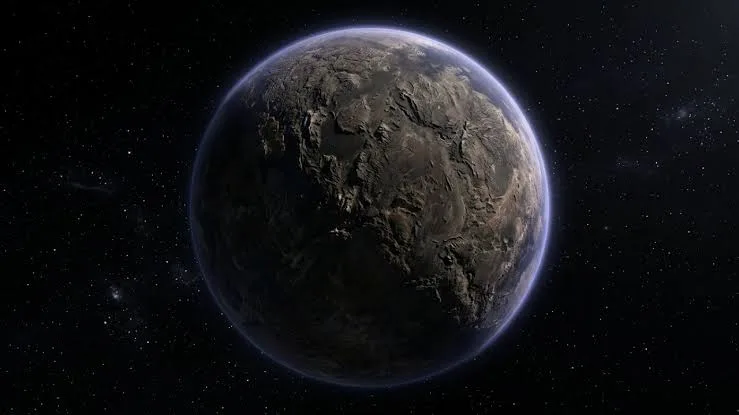
They call it a mega Earth because of its size: up to 2.5 times that of our planet. This discovery comes from the University of Wisconsin–Madison and is rapidly sparking discussion throughout the astronomy community. After the discovery of an exomoon identified by ESO’s Very Large Telescope, it is now the turn of a planet completely different from all the others.
But what is so special about this “mega Earth”? And why did it immediately become a viral topic in science? As we will see, many features make this discovery unique, starting with the fact that planets with a similar density tend to be much smaller.
Let us discover what this “giant of space” is hiding.
The mega Earth that astonished the astronomy world
There are many reasons why the “mega Earth”, identified by the University of Wisconsin–Madison, is at the centre of so many questions and debates these days. Above all, based on our current astronomical knowledge, a planet with its characteristics should not even be able to exist.
The first striking feature is its size. The planet reportedly has a mass up to 23 times that of our Earth and is up to 2.5 times as large. Until now, dimensions like these were not thought compatible with a rocky planet. Indeed, many of the universe’s giants are gaseous planets, and their mass is not even remotely comparable to that found in this new celestial body.

The explanation comes from Professor Max Kroft, who says that planets of this density are already known, but they are mostly small rocky planets, with dimensions comparable to Earth or Mercury. This is not the case with the “mega Earth”, which is unique in the scientific literature of recent years.
The informal name given to GJ 523b (the planet’s scientific designation) stems precisely from its profoundly contradictory nature. With the size of a gas giant and the mass of a rocky planet, GJ 523b presents a fascinating mystery that remains entirely to be solved.
Discovering GJ 523b
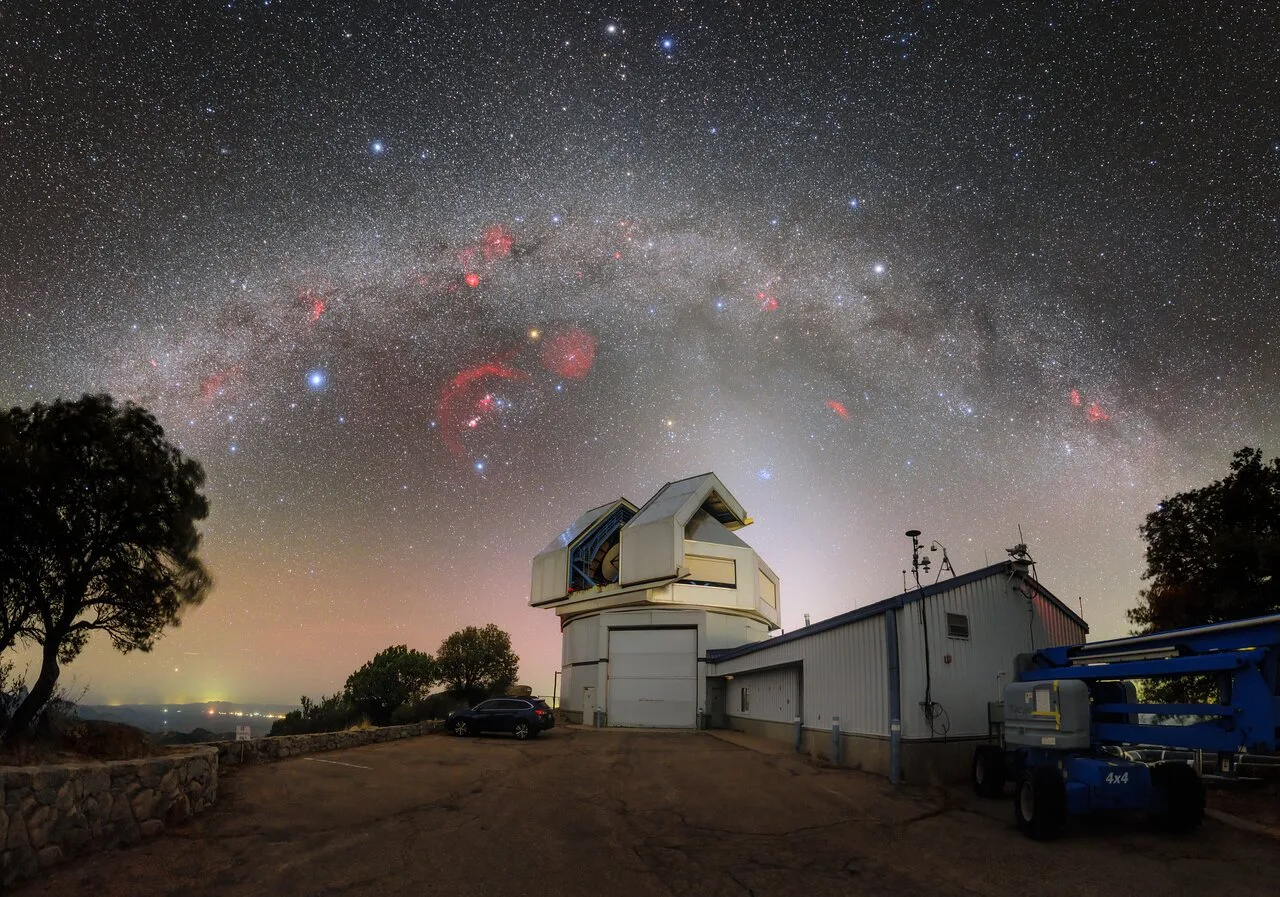
The discovery of the mega Earth, or exoplanet GJ 523b, is credited to the WIYN telescope, located in Arizona. It promises to transform scientific theories of planet formation profoundly. As Professor Kroft argues, an anomaly such as GJ 523b conceals puzzles that science had not yet considered.
The Astronomical Journal is publishing the study’s results, and there will certainly be much to write about and investigate on this subject in the near future. First, the astronomers explain, we need to understand whether the “mega Earth” really is the exception that proves the rule. Alternatively, it could be the first discovery of a new family of planets, completely different from those we know, which could allow us to rewrite much of our current astronomical knowledge.
The universe continues to amaze us, revealing planets whose existence we would never even have suspected until a few years ago. But that is not all: among the other distinctive features of GJ 523b is the fact that it is a relatively young planet. According to initial estimates, it formed only 170 million years ago; practically a newborn compared with our Earth, which has existed for 4.5 billion years.
Also according to the initial observations, the mega Earth takes roughly 17 days to orbit its star. The planet is located 87 light-years from us, and its characteristics really make it seem like the creation of a science-fiction writer or filmmaker. What other secrets will this planet, or this family of planets, reveal, still so unfamiliar and full of potential?