 IDEAS THAT CHANGE THE WORLD
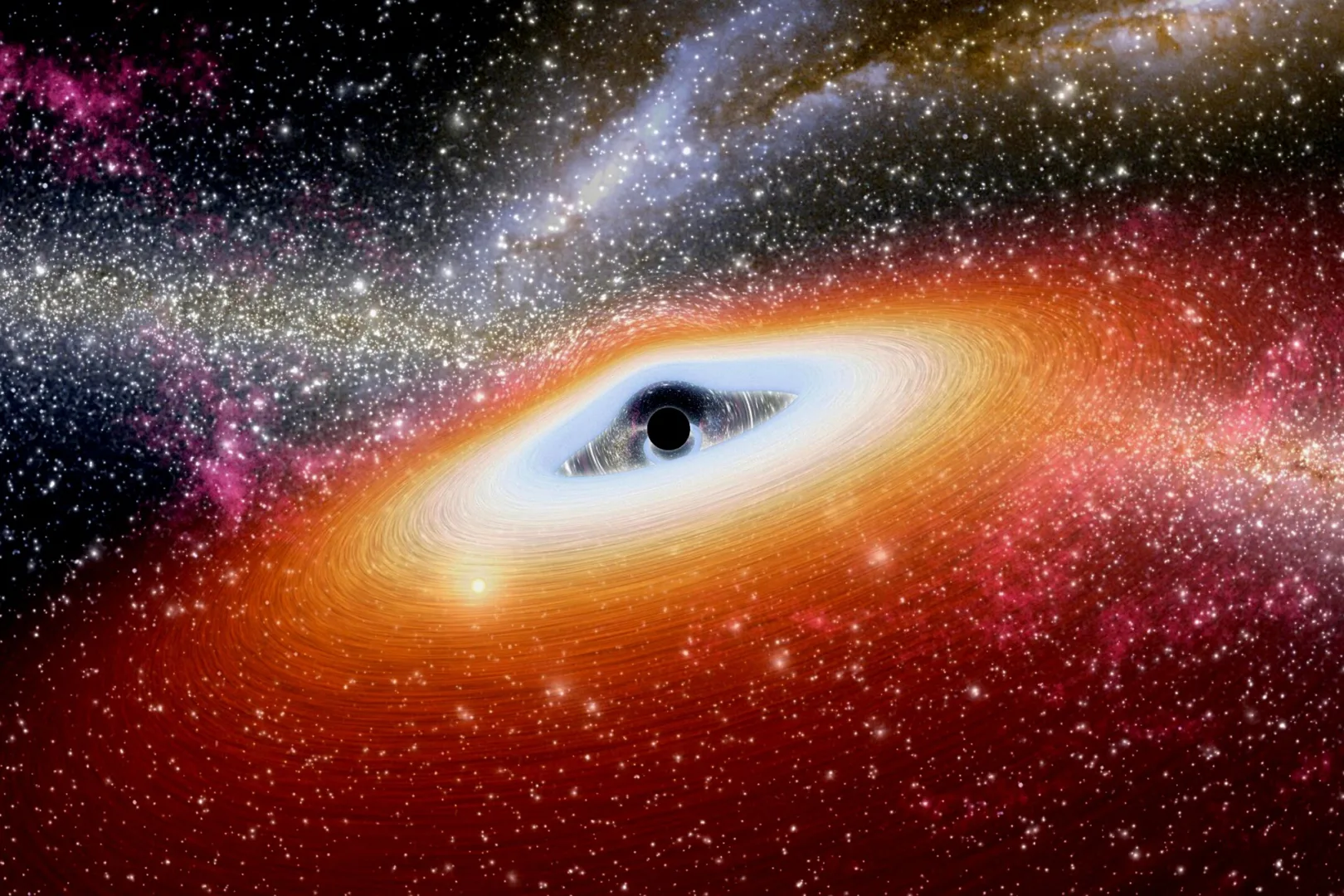
Is it a star? No, it is a black hole! No, it is a monster! Superman will forgive us for borrowing the famous line: it was simply too fitting for the occasion. Because the black hole detected by the James Webb telescope is actually very different from what astronomers around the world expected. And there is more. The discovery of the “space monster” could shed light on another mystery that has remained unsolved: the “red dots” in space, identified by the Webb telescope.
But what exactly are we talking about? The discovery comes from a paper published in Nature, and it is extraordinary. An ancient celestial object, dating to shortly after the Big Bang; an extraordinarily large black hole emitting the same light radiation as a star. The worlds of science and astronomy are buzzing over this discovery, which promises to shed new light on the most distant reaches of space.
The black hole hiding inside a star
But let us start at the beginning. The discovery comes from MIT, the Massachusetts Institute of Technology. There, a group of researchers led by Professor Rohan Naidu and working with Sirio Belli of the University of Bologna, detected a celestial object unlike any other. At least as far as we currently know, because this discovery could rewrite many established ideas in astronomy.
The “monster” appears to be a hybrid between a star, albeit an unusual one, and the black hole contained within it. A combination considered impossible until a few months ago. Yet there it is: more than 13 million light-years from Earth lies a black hole surrounded by the gaseous structure typically found in stars.
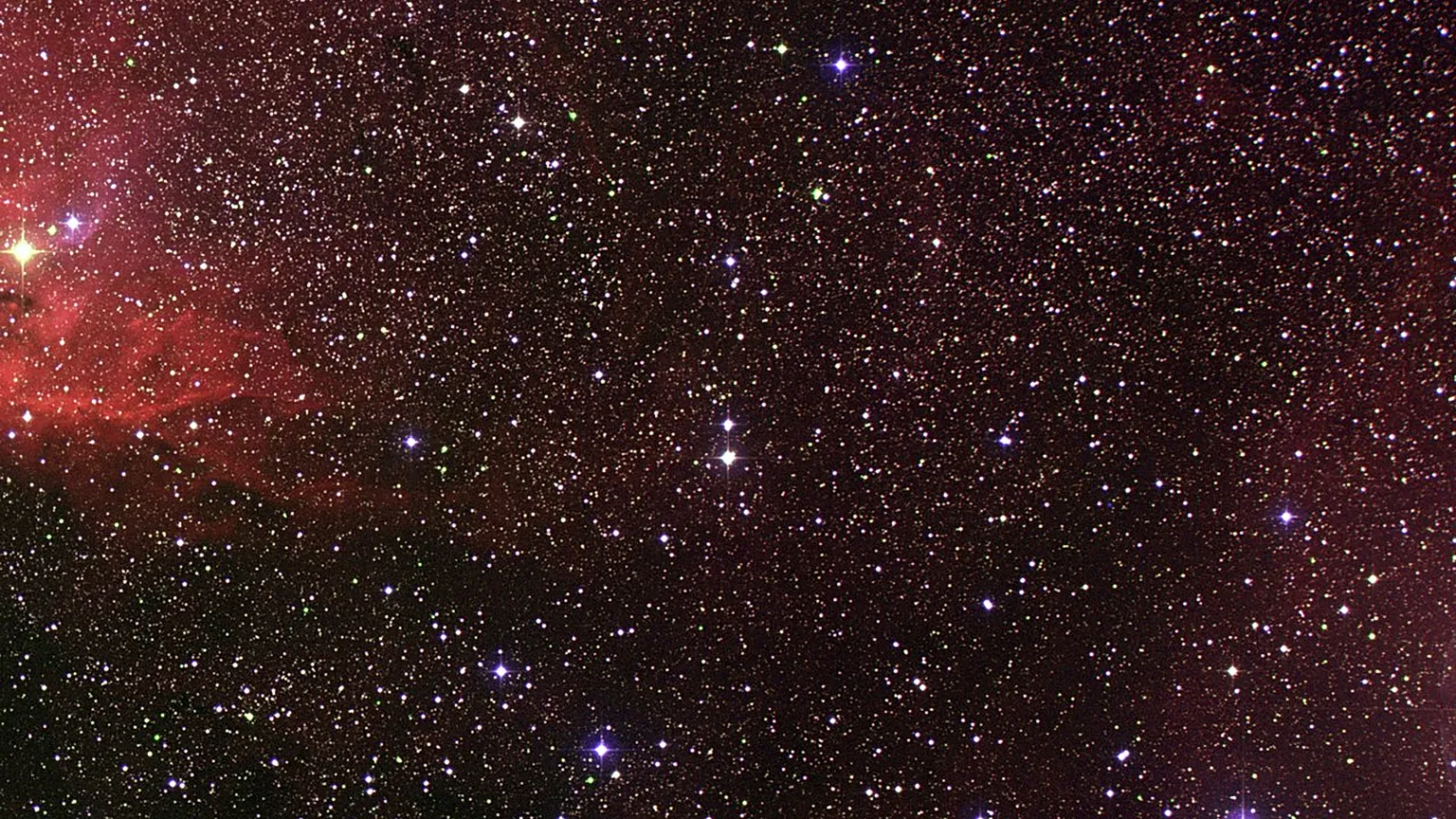
At first glance, the celestial object looks just like a particularly massive and luminous star. In reality, however, its core is a black hole surrounded by very dense gas. The gas wraps around the black hole like an envelope, partly responsible for its light radiation.
An unusual “star” that opens up new possibilities still to be explored by astronomical research.
The space “monster” revealing the secret of the “little red dots”
The discovery of this very strange celestial object has naturally aroused great curiosity in academia. The unusual black hole, resembling a gigantic star, has been nicknamed a “black hole star” and dubbed a “monster”, something that was not thought possible. The MIT research, which also involved the researcher from Bologna’s Alma Mater university, has revealed much more.
This space “monster” could, in fact, be the answer to the still-unsolved mystery of the “little red dots” also identified by the James Webb telescope; the same instrument MIT scientists used to identify the black hole star. These objects emit a red glow of great intensity, combined with extraordinary compactness. Their age also seems to fit: “little red dots” are mainly found in theearly Universe, and could date to shortly after the Big Bang.
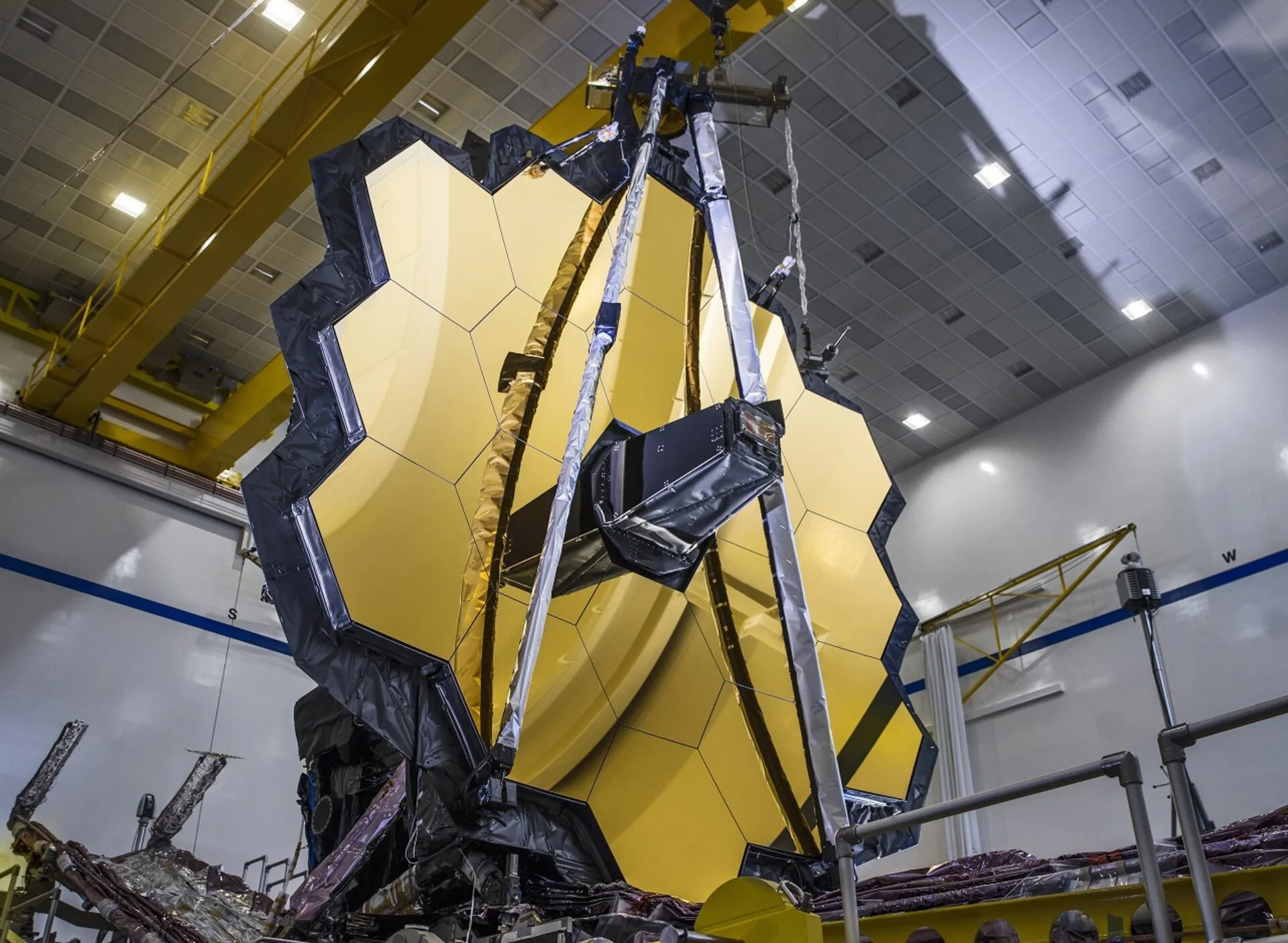
Until now, scientists had long wondered what might cause these mysterious luminous phenomena. One of the leading hypotheses was precisely that they might be black holes shrouded in dense clouds of gas. The black hole discovered by MIT appears to support this hypothesis, offering a new interpretation of one of space’s deepest mysteries. As early as 2026, NASA observations of the spectrum of a “Little Red Dot” had strengthened this theory. The black hole star discovered 13 million light-years from Earth could turn out to be the definitive evidence scientists have been waiting for.