 IDEAS THAT CHANGE THE WORLD
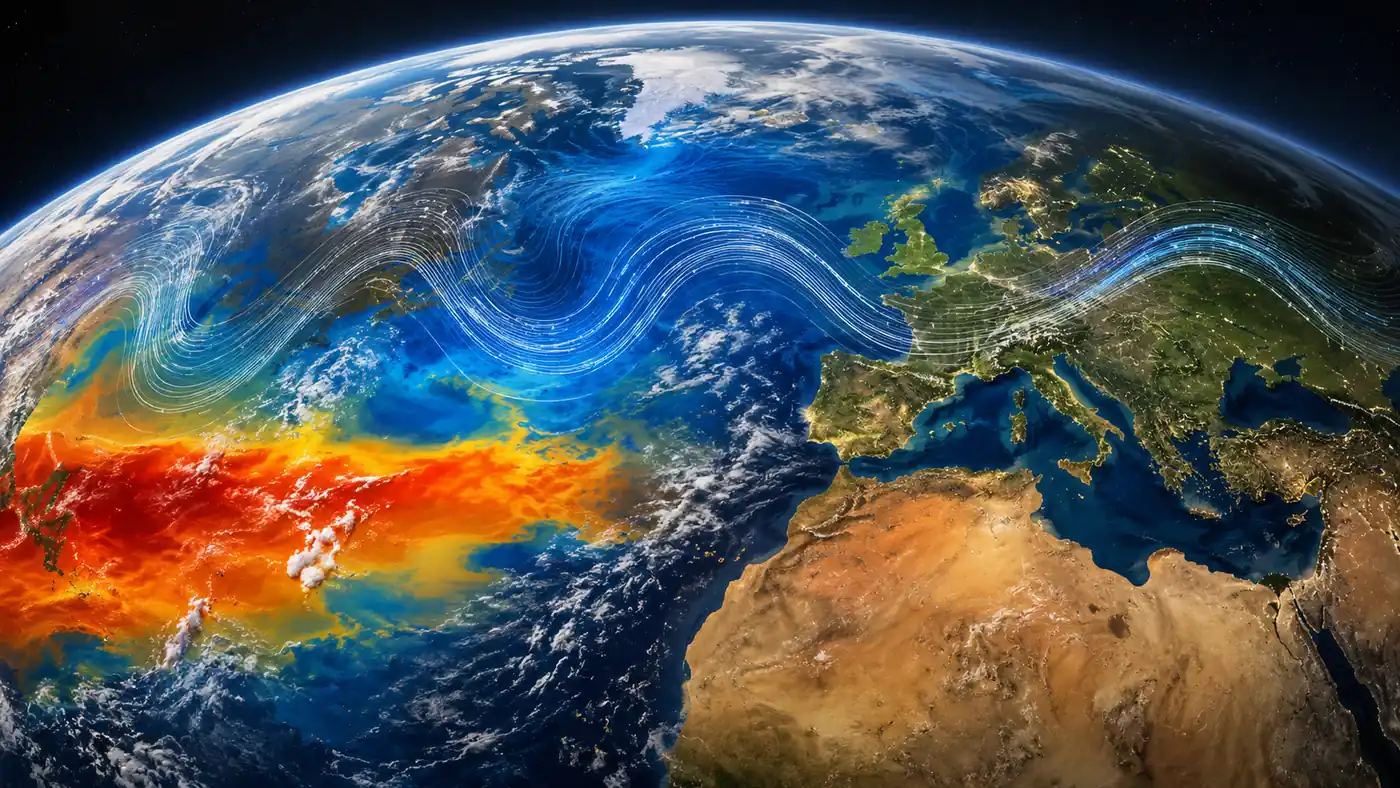
In recent months there has been much talk of a Super El Nino expected to develop over the course of this summer and bring extreme events unlike anything seen in recent decades, with consequences on a global scale. According to the latest updates, the question no longer seems to be whether it will happen, but when.
What is El Nino?
El Nino is a natural phenomenon that occurs at regular intervals and is characterized by an abnormal warming of the waters of the central-eastern equatorial Pacific Ocean.

An event that creates a series of repercussions across the globe. The warming of the waters causes changes in winds on a global scale, rainfall and atmospheric pressure.
As we were saying, this is a recurring event that happens on average every two to seven years and lasts between nine and twelve months.
How can the event have repercussions worldwide? During the phenomenon, the trade winds in the tropical Pacific weaken and trigger Kelvin waves. Kelvin waves are waves of warm water that carry heat across the Pacific from west to east.
The waves travel along the equator and up the western coasts of the Americas, warming the ocean’s surface layers and raising sea levels.
Super El Nino 2026
For several months there has been talk of the phenomenon returning in 2026. But what really worries experts is not the return of El Nino, which we have actually grown used to, but its intensity.
Forecasts have revealed a very alarming picture, with the possibility that sea surface temperatures could exceed the historical average by more than 2°, even approaching +3°.
It will be one of the most intense episodes ever recorded, and the whole world must prepare for its repercussions. El Nino determines the fate of rainfall and harvests around the world, from Australia to the Americas.
Hundreds of thousands of people will be at risk. The event is expected to begin building over tropical areas in September 2026, reaching its peak between December 2026 and January 2027.
What will happen around the world?
The previous El Nino was already devastating. It brought the second-hottest year on record in 2023 and the hottest ever in 2024, with temperatures around 1.55° above average.

However, this new El Nino will be even more devastating, and we should not be caught unprepared.
The UN has called it “an urgent climate warning”. This phenomenon will only rapidly and considerably accelerate the global warming already underway.
There will be problems with drought and heavy rainfall, and extreme heatwaves affecting both land and oceans.
According to forecasts, Australia, Southeast Asia and Central America will face extremely severe water crises. The Strait of Panama could face further restrictions, paralyzing trade routes. East Africa and large parts of the Americas, on the other hand, could be hit by torrential rain.
And in Europe?
In Europe, we should not just stand by and watch. El Nino’s effects will be global and will affect us too.
El Nino does not usually drastically affect Europe’s climate, but an event of this magnitude could cause significant anomalies.
Indeed, we are likely to have an unusually warm autumn in 2026, and the phenomenon could extend into 2027, leaving us with an unusually warm spring in 2027 as well.
The chances of 2026 soon becoming the hottest year ever recorded are decidedly high. But it may not stay at the top for long, because 2027 could be even hotter, with drastic repercussions around the world.