 IDEAS THAT CHANGE THE WORLD
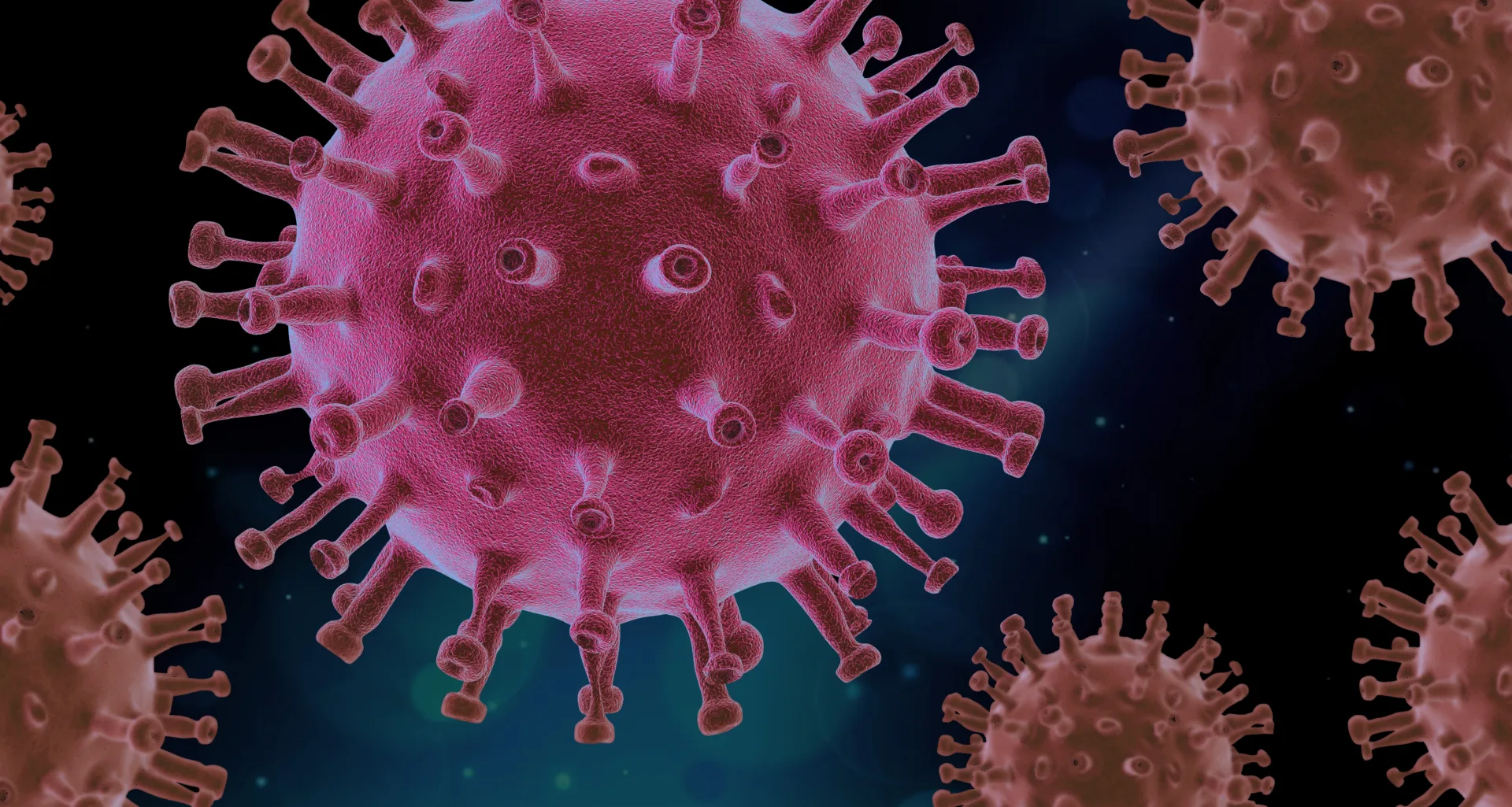
It sounds like a classic Hollywood scenario: viruses created by AI in a laboratory using top-secret formulas. Yet what a few decades ago would have been merely another conspiracy theory could instead become a turning point for medicine in the future. At least, that is what researchers at the Arc Institute and Stanford University.
The new AI-created viruses will, in fact, be crucial to developing new drugs and revolutionary therapies, allowing medicine to eradicate increasingly aggressive bacterial strains before they can harm the body. But scientific circles are already debating the discovery’s ethical implications and, above all, the risks it entails. Once AI learns to encode viruses, could it be used to create new biological weapons of mass destruction? As always, opinions differ: artificial intelligence continues to divide public opinion, for better or worse.
But how did we get to the creation of these viruses by AI, and what are the prospects for future research? Let us find out.
AI-created viruses to defeat Escherichia coli
The biotechnological virus created in a laboratory is certainly a common trope in science-fiction literature and cinema. Today, that concept becomes reality. Research from Stanford University and the Arc Institute is set to profoundly change medicine, including pharmaceuticals. No fewer than sixteen new viruses were created by AI, which wrote their genomes. Initial experiments suggest that the viruses are fully functional. But humanity is not at risk: the viruses are not harmful to the human body and attack only bacteria that are dangerous to our health.

Bacteria such as escherichia coli, which was the focus of this study. The results exceeded the research team’s expectations. The experiment aimed to find new ways to eradicate the most aggressive antibiotic-resistant bacterial strains. What was needed was a virus capable of feeding on E. coli bacteria without harming the body, with an error-proof complete genome. Scientists at Stanford University and the Arc Institute therefore turned to Evo, an artificial intelligence specialising in biology.
“The ChatGPT of genetics”, as Evo is called, thus produced 302 viruses. Of these, sixteen passed the testing stage, reproducing rapidly and destroying three strains of E. coli they encountered. A result infinitely better than what could be achieved with the “natural” version of the same virus, ΦX174, whose genome was sequenced as early as 1977.
The promise and concerns of using artificial intelligence in medicine
However sensational, the discovery of the sixteen AI-created viruses has also sparked new debates and controversy, both in scientific circles and among the public. As always, views on human health often differ, sometimes with strongly held positions.
Specifically, some question the ethical implications and risks of using AI to create viruses. In this case, they are indeed harmless and monitored by scientists, but they could set a dangerous precedent. In the hands of malicious actors and terrorists, could AI create viruses dangerous to human health?

This is not paranoia. For decades, Hollywood has highlighted the real threat of biological weapons, certainly among the most feared instruments of destruction. The researchers themselves have acknowledged that medicine and science must remain highly vigilant and take appropriate biosafety measures. The considerable risk is that artificial intelligence could be used to enhance far more dangerous viruses, such as smallpox, or bacteria such as anthrax. In other words, the danger does not lie in the technology itself, but, as always, in how it is used. Scientists therefore warn that we must never let our guard down, so revolutionary discoveries do not become real threats.