 IDEAS THAT CHANGE THE WORLD
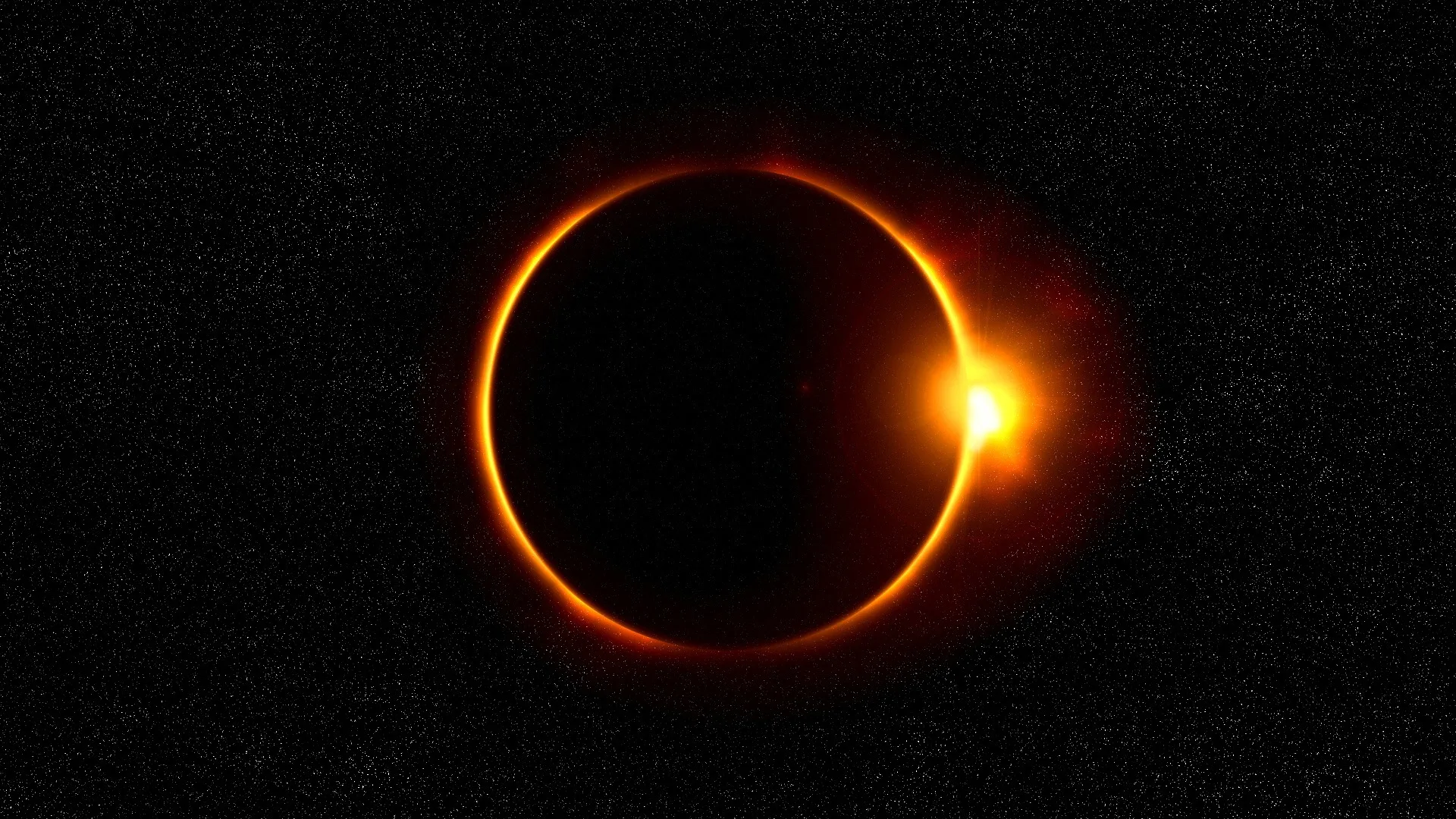
We have not seen an eclipse like this for 27 years, and we certainly cannot risk missing it! Here is everything you should know about the next total solar eclipse, expected on 12 August 2026.
The total eclipse of 12 August
The solar eclipse on 12 August 2026 will be total, but only partially visible from Italy. Although we will not see totality, the view should still be excellent, with coverage up to 90%. The real problem will be its proximity to sunset, which could hinder our view.
This is the first total solar eclipse to cross the European continent since 1999. Its path of totality follows a line starting in Russia and reaching Greenland, passing through Spain, western Iceland and a tiny part of Portugal.
Nevertheless, many European areas will enjoy an impressive eclipse even without totality.
In Italy it will be partial but spectacular
Italy will see a partial eclipse. The best-placed regions are Piedmont, Valle d’Aosta, Liguria, Lombardy, Emilia-Romagna, Tuscany and Sardinia, with solar coverage reaching and exceeding 90%.

Southern regions will still enjoy a beautiful partial eclipse with less coverage. Rome, for example, will reach 60%, Milan as much as 92%, and Naples only 35%.
Timing
An event not seen for almost 30 years will present significant challenges. The eclipse will be hard to observe because it occurs around sunset.
It starts at approximately 7:30 p.m., when the Sun is already low on the horizon. An intermediate stage comes around 7:50 p.m., followed by the peak at 8:20 p.m.. Depending on your location, the Sun may already be below the horizon by then.
Although we may miss the complete progression of this partial eclipse, a unique and wonderful spectacle remains: the Sun will sink below the horizon, turning red and orange, while appearing “bitten” by the Moon’s shadow.
We cannot stop the Sun setting, but there is something we can do to get the best view. We must ensure a clear view westwards, or buildings and trees could hide the Sun at the crucial moment.
How to prepare for the eclipse
The most important thing to remember is always this: never observe the Sun with the naked eye.

Protecting our sight during the event requires glasses compliant with ISO 12312-2, essential for eye safety.
Many people might mistakenly think ordinary sunglasses are sufficient, but they are not.
Ordinary sunglasses do not protect us against solar radiation from sunlight. This does not mean wearing them daily is wrong. During an eclipse, however, we tend to look directly at the Sun for extended periods, which we normally never do.
The risks are very high, ranging from cataracts to temporary or permanent retinal damage, known as “eclipse blindness”.
Suitable eclipse glasses are available for anyone to purchase; we must simply ensure they comply with the standards.