 IDEAS THAT CHANGE THE WORLD
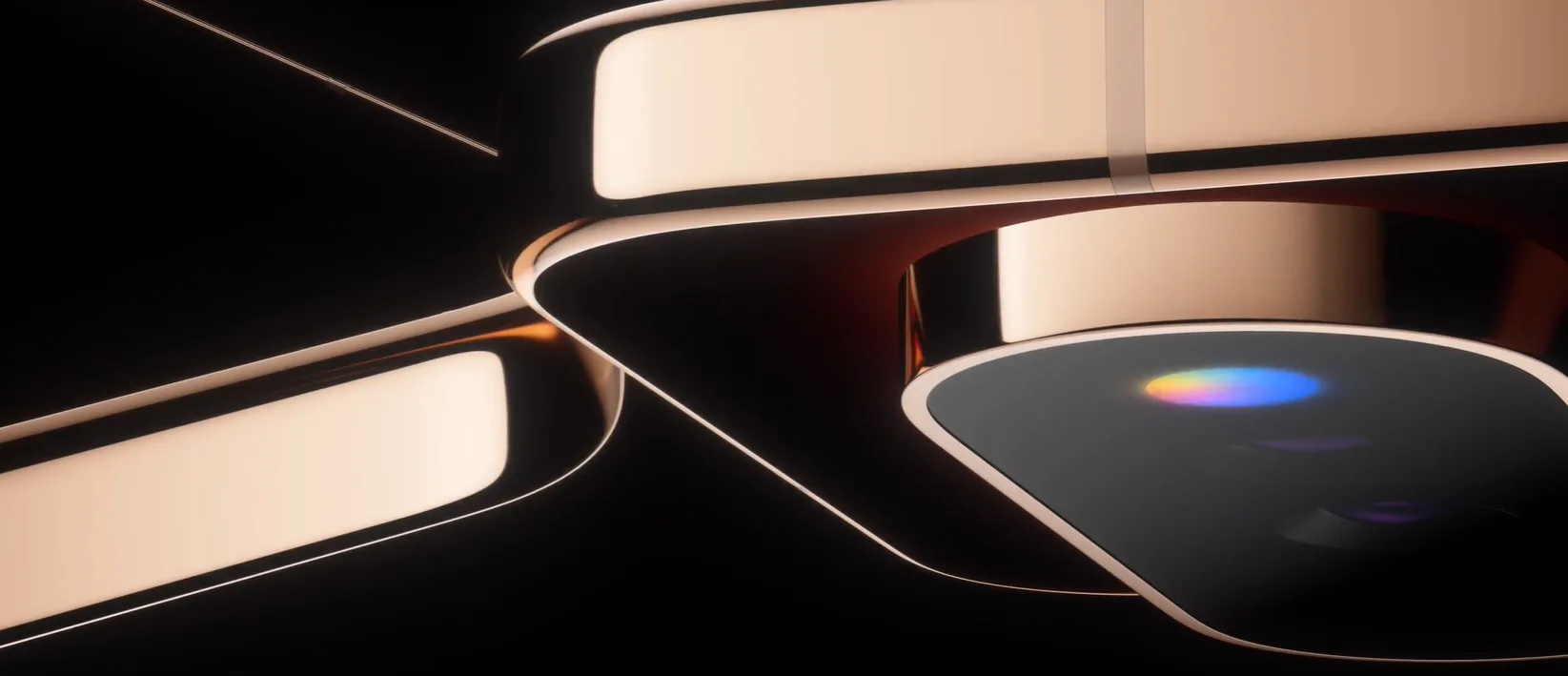
With the Made by Google event just around the corner, the tech community is focusing on the Mountain View company’s new flagship: the Google Pixel 11 Pro. In recent years, the Pixel range has won a solid following thanks to its native integration of artificial intelligence. However, it has often faced criticism over its processor’s energy efficiency.
With the 11 series, Google seems determined to close the gap with its competitors for good. Here is an analysis of everything we know about this new model.
The Tensor G6
The biggest change concerns the internal architecture. The new Google Tensor G6 was built using a 2-nanometre manufacturing process handled by TSMC. This represents a crucial generational leap:
- Thermal efficiency: Moving to 2nm reduces overheating under load, historically one of the weaknesses of previous generations.
- Lower power consumption: At the same performance level, the processor uses up to 20% less energy, offsetting changes to the structure of the battery cells.
- 5G connectivity: Google has decided to drop the old modem modules and integrate the MediaTek M90 chip. This choice ensures more stable connections to mobile cells.
The Tensor G6 thus aims to keep the smartphone cool, responsive and long-lasting in real everyday use.

Google Pixel 11 Pro: introducing Pixel Glow
Another detail emerging from patents and promotional teasers is the debut of Pixel Glow (also referred to as HiLight). Anyone who owned one of the first Android smartphones will fondly remember the multicoloured notification LED. Google is bringing that concept back, reinvented for today.
Instead of a simple glowing dot, Pixel Glow uses a micro-LED system built into the rear casing near the camera. It does more than alert you to an incoming message. In fact, it changes colour according to the priority of the contact or the type of alert (for example, urgent work matters or missed calls) and shows visual progress without having to turn on the entire display.
Cameras and M16 display
In terms of design, the horizontal “Camera Bar” is refined with slimmer lines and a profile integrated into the frame. Beneath the casing are updated camera sensors that, combined with the Tensor G6’s computing power, unlock computational super-zoom up to 120x and an improved night-time video recording mode.
The display features new OLED M16 panels, capable of reaching extremely high peak brightness to ensure perfect readability in direct sunlight.

Google Pixel 11 Pro: Gemini integration
Finally, the software puts the Gemini ecosystem at the heart of the experience. AI no longer merely responds to voice commands: it runs continuously in the background to summarise complex notifications, organise your schedule and screen unwanted calls with natural precision.
The Pixel 11 Pro is therefore shaping up to be one of the most anticipated upgrades in Google’s recent history. All that remains is to await the official launch, scheduled for 12 August 2026.